The Complete Guide to Hot Stamping Foil: Types, Applications And Best Practices

👉Welcome to our ultimate hot stamping foil guide.Hot stamping foil is one of the most versatile and visually impactful finishing techniques available in modern print and packaging. Whether you’re creating luxury packaging, business cards, book covers, or promotional materials, hot stamping foil adds a tactile and visual dimension that digital printing simply cannot replicate.
What Is Hot Stamping Foil?
Hot stamping foil (also called heat transfer foil or hot foil) is a thin, multi-layered material that is transferred to a substrate through a combination of heat, pressure, and a metal die or silicone plate. The process creates a permanent, high-quality metallic or pigmented finish that is resistant to fading, scratching, and moisture.
Types of Hot Stamping Foil
1. Metallic Foils
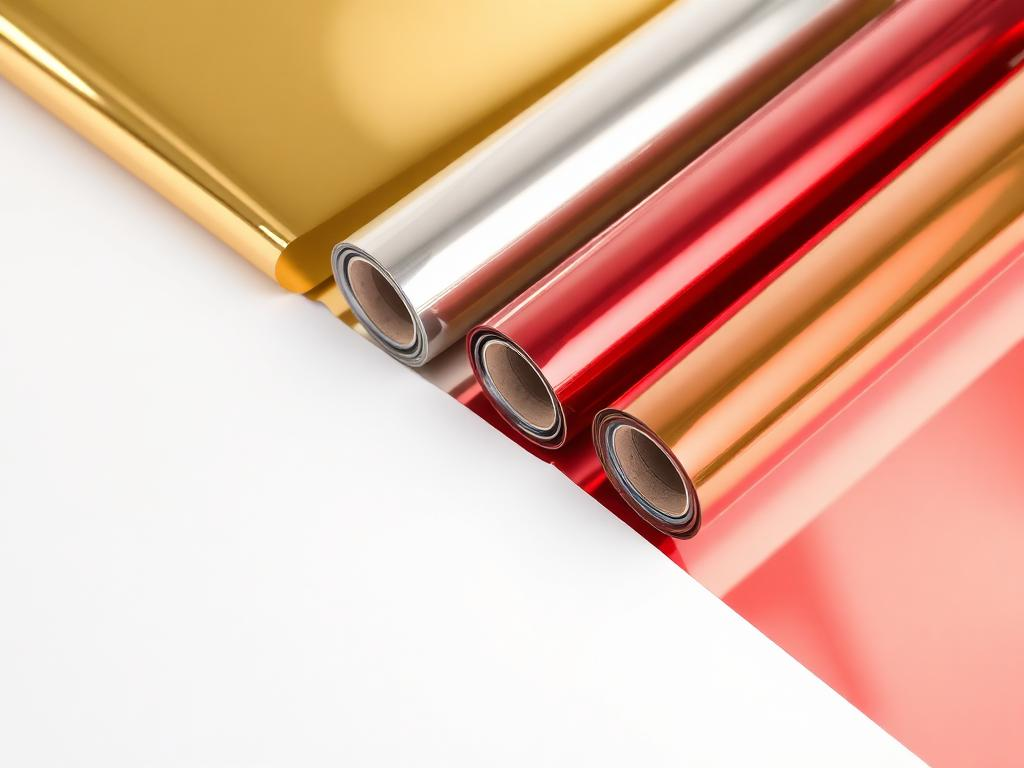
The most popular category, metallic foils come in gold, silver, copper, and rose gold options. They create a mirror-like reflective surface that catches light beautifully. These foils are widely used in luxury packaging, wine labels, and high-end stationery.
2. Holographic Foils
Holographic foils feature prismatic patterns that create rainbow-like effects when viewed from different angles. Beyond their decorative appeal, they serve important security and anti-counterfeiting functions in pharmaceutical packaging and official documents.
3. Pigment Foils
Available in virtually any color, pigment foils provide a solid, opaque finish. They’re ideal when brand consistency demands exact color matching without the metallic sheen.
4. Matte and Textured Foils
For brands seeking understated elegance, matte foils offer a sophisticated, non-reflective finish. Textured variants add a tactile dimension — brushed metal, wood grain, and linen patterns are popular choices.
Applications Across Industries
- Luxury packaging and cosmetics
- Wine and spirits labels
- Book covers and editorial design
- Business cards and corporate stationery
- Security printing and anti-counterfeiting
- Greeting cards and invitations
- Textile and leather decoration
Global Manufacturing & Quality Standards
When sourcing finishing materials for high-volume production, consistency is just as important as the initial visual impact. A true complete guide to hot stamping foil must emphasize the importance of manufacturing control. Operating from our advanced 25,000m² facility, Liangyu Foil strictly enforces international quality control protocols on every master roll. Utilizing state-of-the-art coating lines and precise spectrophotometer color matching, we ensure zero color shift across different production batches. Whether you require standard metallic shades or bespoke holographic security patterns, our engineering team provides customized TDS (Technical Data Sheets) and expert matching for your specific substrates, preventing issues like flaking or oxidation during high-speed rotary stamping.
Best Practices for Hot Stamping
Achieving perfect results with hot stamping foil requires attention to several key factors: die quality, temperature control, pressure calibration, and substrate preparation. Always conduct test runs with your specific substrate-foil combination, as adhesion and appearance can vary significantly between materials.
At Liangyu Foil, our technical team provides comprehensive guidance to ensure every project meets the highest standards of quality and consistency. Contact us for samples and technical specifications tailored to your application.
How to Use This Hot Stamping Foil Guide
Choosing the correct finishing technique is a critical decision. We created this comprehensive hot stamping foil guide to bridge the gap between creative design and factory-floor reality. By understanding the intricate differences between metallic, holographic, and pigment foils, you can significantly reduce production waste and accelerate your time-to-market. Remember, the true secret to flawless luxury packaging lies not just in the foil itself, but in the exact calibration of heat, pressure, and substrate compatibility. If your current supplier struggles with color consistency or edge flaking on complex designs, it is time to upgrade. Bookmark this guide for your future reference, and reach out to our technical team whenever you need dedicated R&D support for your custom printing runs.