Knowledge Base • 15 Min Read
What is Foil Stamping?
Table of Contents
What is foil stamping? It’s the difference between a product that looks handmade and one that looks premium. Between packaging that gets ignored and packaging that gets shared on Instagram. Between a brand that competes on price and a brand that commands it.
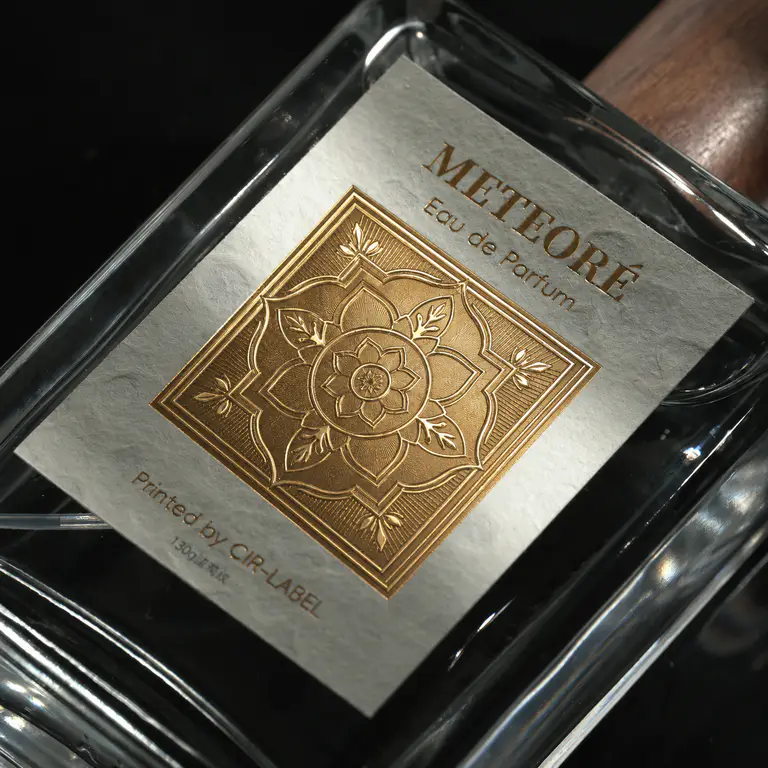
Foil stamping — also called hot stamping or foil printing — is a specialty finishing process that uses heat, pressure, and metal dies to transfer metallic or pigmented foil onto a substrate. No ink. No toner. Just pure, reflective brilliance that catches light and attention.
What is Foil Stamping? An Overview
At its core, foil stamping is a dry printing process. Unlike ink-based printing, which soaks into the substrate, foil stamping sits on top — creating a distinct, tactile layer that you can both see and feel.
The process involves three key components:
- A metal die (usually brass, copper, or magnesium) etched with your design
- Heat — typically 200°F to 400°F depending on the foil and substrate
- Pressure — applied by a stamping machine to bond the foil to the surface
When the heated die presses the foil against your substrate, the heat activates an adhesive layer on the foil’s underside. The result? A permanent, metallic transfer that won’t fade, smudge, or peel.
Foil stamping works on a wide range of materials:
- Paper and cardstock (most common)
- Leather and faux leather
- Plastics and synthetics
- Textiles and fabrics
- Wood and some coated surfaces
How Foil Stamping Works
Understanding what is foil stamping requires understanding the mechanics. Here’s the step-by-step process:
Step 1: Die Creation
Your design is etched or engraved into a metal die. Brass dies offer the finest detail and longest life. Copper is economical for shorter runs. Magnesium is fastest to produce but wears out quickest.
Step 2: Machine Setup
The die is mounted in a stamping machine and heated to the optimal temperature for your specific foil and substrate combination.
Step 3: Foil Positioning
A roll of foil is threaded through the machine. The foil consists of multiple layers: a carrier film, release layer, color or metallic layer, and heat-activated adhesive.
Step 4: Stamping
The heated die presses the foil against the substrate with controlled pressure and dwell time (usually 0.5–2 seconds). The heat activates the adhesive, bonding the foil to the surface.
Step 5: Release
The die lifts, the carrier film peels away, and your design remains — permanently bonded and instantly dazzling.
The 4 Types of Foil Stamping
Not all foil stamping is the same. Depending on your substrate, design complexity, and desired effect, you can choose from four main techniques:
1. Flat Foil Stamping
The most common and economical method. A flat metal die transfers foil onto a flat substrate. The result is a smooth, even foil application that sits slightly raised from the surface. Best for: Business cards, labels, packaging, most paper applications2. Sculpted Foil Stamping
Uses a specially engraved brass die to create a three-dimensional, raised image. The sculpted effect adds depth and shadow, making the design appear carved into the substrate. Best for: High-end packaging, certificates, luxury goods where detail matters3. Vertical Foil Stamping
A specialized technique for stamping on cylindrical or curved surfaces — think bottles, tubes, and rounded containers. The machine rotates the product while applying the foil. Best for: Cosmetic tubes, wine bottles, cylindrical packaging4. Peripheral Foil Stamping
Applies foil around the entire circumference of a product. Unlike vertical stamping (which covers a specific area), peripheral stamping wraps the design 360 degrees. Best for: Caps, lids, bands, and products requiring all-around decoration| Type | Die Material | Cost | Best For |
|---|---|---|---|
| Flat | Copper, Magnesium | $ | General packaging, labels |
| Sculpted | Brass | $$$ | Luxury, fine detail |
| Vertical | Brass, Steel | $$ | Cylindrical products |
| Peripheral | Steel | $$$ | 360° decoration |
Types of Foils Used in Stamping
Now that you understand what is foil stamping, let’s talk materials. The foil you choose dramatically impacts the final look.
Metallic Foils
The classic choice. Gold and silver dominate, but metallic foils come in virtually every color — copper, rose gold, blue, red, green. The finish is highly reflective and screams “premium.”Pigment Foils
Non-metallic but intensely colored. Available in matte or gloss finishes, pigment foils offer solid, opaque color without the mirror effect. Perfect when you want color impact without metallic flash.Holographic Foils
Diffraction patterns create rainbow, 3D, or kinetic effects that shift as you move the product. Popular for security applications, limited editions, and anything that needs to stand out on a crowded shelf.Specialty Foils
Leather grain, pearl, marble, wood grain — these foils mimic textures and materials. They’re a cost-effective way to add perceived value without changing the substrate. At Liangyu Foil, we manufacture all four types, with particular expertise in holographic and specialty formulations for security and luxury applications.Common Applications of Foil Stamping
What is foil stamping used for? Almost anything that needs to look expensive:
Product Packaging
Cosmetics, spirits, gourmet foods, and electronics use foil stamping to signal quality. That gold logo on a whiskey bottle? Foil stamped. The silver accents on a perfume box? Foil stamped.
Stationery and Cards
Wedding invitations, business cards, greeting cards, and certificates use foil stamping to create keepsakes rather than throwaways.
Books and Publishing
Hardcover books, special editions, and commemorative volumes use foil stamping on covers, spines, and edges.
Why Brands Choose Foil Stamping
Understanding what is foil stamping means understanding its unique advantages:
1. No Color Limitations
Unlike printing, where dark substrates limit your color options, foil stamping works equally well on black, white, or colored materials. Gold on black? Stunning. Silver on navy? Elegant. The foil color is independent of the substrate.
2. Tactile Impact
Foil stamping creates a physical texture you can feel. That sensory experience triggers premium associations in the customer’s mind.
3. Durability
Foil doesn’t fade in sunlight, smudge when touched, or peel at the edges. It’s permanent.
4. Versatility
From paper to leather to plastic, foil stamping adapts to almost any material.
5. Perceived Value
Studies consistently show that foil-stamped packaging commands higher price points and increases purchase intent. It’s an investment that pays for itself.
Foil Stamping vs. Other Finishing Methods
How does foil stamping compare to alternatives?
| Method | Look | Cost | Best For |
|---|---|---|---|
| Foil Stamping | Metallic, reflective, premium | $$ | Luxury, brand logos, accents |
| Embossing/Debossing | Textured, subtle, elegant | $ | Texture, understated branding |
| Spot UV | Glossy, raised, modern | $ | Contemporary, graphic designs |
| Metallic Ink | Flat, printed metallic | $ | Budget-conscious, large areas |
| Sleeking | Similar to foil, toner-based | $ | Short runs, prototypes, variable data |
FAQs: What is Foil Stamping?
Is foil stamping the same as hot stamping?
Yes, the terms are often used interchangeably. “Hot stamping” emphasizes the heat-based process, while “foil stamping” emphasizes the material (foil) being applied. Both refer to the same technique.
Can foil stamping be done on any material?
Almost. Paper, cardboard, leather, and most plastics work well. Very rough textures, silicone-coated surfaces, and some synthetics can be challenging. Always test your specific substrate before committing to a large run.
How much does foil stamping cost?
What's the difference between foil stamping and metallic ink?
Foil stamping uses actual metallic foil film, creating a reflective, three-dimensional effect. Metallic ink is flat printing that simulates metal color but lacks reflectivity and texture. Foil stamping looks expensive; metallic ink looks printed.
Can I combine foil stamping with embossing?
Absolutely. “Foil embossing” or “combination stamping” does both in one pass, creating a raised, metallic design. It’s the ultimate premium finish — and requires a sculpted brass die.
Related guides:
📞 Contact our technical team → — Quote turnaround in 24 hours.
Ready to Start Foil Stamping?
Now that you understand what is foil stamping, it’s time to choose the right foil for your project. Whether you need metallic gold, holographic security patterns, or specialty textures — the foil quality determines the final result.