By Liangyu Laser Technical Team | 13-min read
How Gold Foil Printing Works for Labels, Boxes and Packaging
Table of Contents
Cold Foil Label Material Compatibility depends on more than whether a label is paper or film. The final result is controlled by surface smoothness and treatment, UV adhesive wetting, cure energy, press speed, foil coverage, overprint or varnish, and the durability required after conversion. Test the actual label stock and finished construction before approving a bulk run.
This is a buyer and converter guide for deciding whether a specific label material is suitable for cold foil. It does not repeat the basic cold foil process or focus on narrow-web press productivity. The practical question here is simpler: can this coated paper, BOPP, PET, PP, wine-label paper or cosmetic-label film deliver clean transfer and reliable adhesion with the intended UV adhesive and finishing sequence?
Quick Answer: Is Your Label Material Suitable for Cold Foil?
Cold foil can work well on coated paper and on properly treated label films, but no label material is automatically compatible. A smooth, stable and receptive surface gives the UV adhesive a better chance to wet and anchor. Low-energy films, rough papers, varnishes, slip additives, insufficient cure and unsuitable overprint layers raise the risk of blank areas, pinholes, poor adhesion and foil rub-off. A short controlled press trial is the decision point before purchase.
Cold Foil Label Material Compatibility by Label Material
| Label Material | Compatibility Outlook | Main Risk | Required Test |
|---|---|---|---|
| Coated paper label | Usually high when the coating is smooth and stable. | Coating absorption, dust, uneven gloss or varnish interference. | Adhesion, rub and solid-area coverage test. |
| BOPP label | Medium to high when the printable surface is treated and the adhesive is matched. | Low surface energy, treatment loss, slip additives or contamination. | Surface-treatment check, tape test and overprint test. |
| PET label | Medium to high with a suitable topcoat, adhesive and UV cure window. | Bonding or cure variation across coated and uncoated films. | UV cure check, tape test and flex or scratch test. |
| PP label | Medium; compatibility is strongly dependent on treatment and adhesive matching. | Weak adhesion on low-energy surface or after treatment aging. | Adhesive wetting check, tape test and rub test. |
| Wine label paper | Depends on coating, texture, moisture exposure and design coverage. | Texture, absorption, wet handling and edge cleanliness. | Fine-detail, wet-rub and varnish or overprint test. |
| Cosmetic label film | High when the film surface, UV adhesive and protective layer are validated together. | Alcohol, fragrance, scuffing and post-print varnish compatibility. | Alcohol exposure, rub, tape and overprint adhesion test. |
Cold Foil on Coated Paper Labels
Coated paper labels are often a strong starting point because a smooth, stable coating supports even adhesive laydown and a clean metallic surface. That does not remove the need for testing. Coating formulation, print ink, spray powder, varnish, label texture and the size of the foil image can all affect transfer. Test both a fine line and the largest planned solid area, then run rub checks after curing.
When a paper label includes a post-print varnish, treat that varnish as the actual foil surface. A water-based, matte or UV varnish can change adhesion compared with unvarnished paper. Record the varnish supplier, code and cure condition in the sample brief.
Cold Foil on BOPP Labels
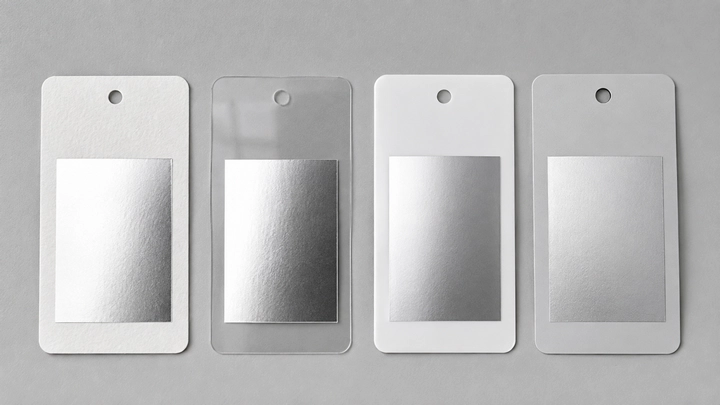
BOPP is widely used for clear, white and filmic labels, but it is a polyolefin material whose surface condition matters greatly. Cold foil can perform well on a treated or suitable top-coated BOPP construction, while an untreated, aged or contaminated surface can show weak transfer or poor rub resistance. Do not assume that a BOPP material that prints ink well will automatically accept a cold foil adhesive.
Cold Foil on PET Labels
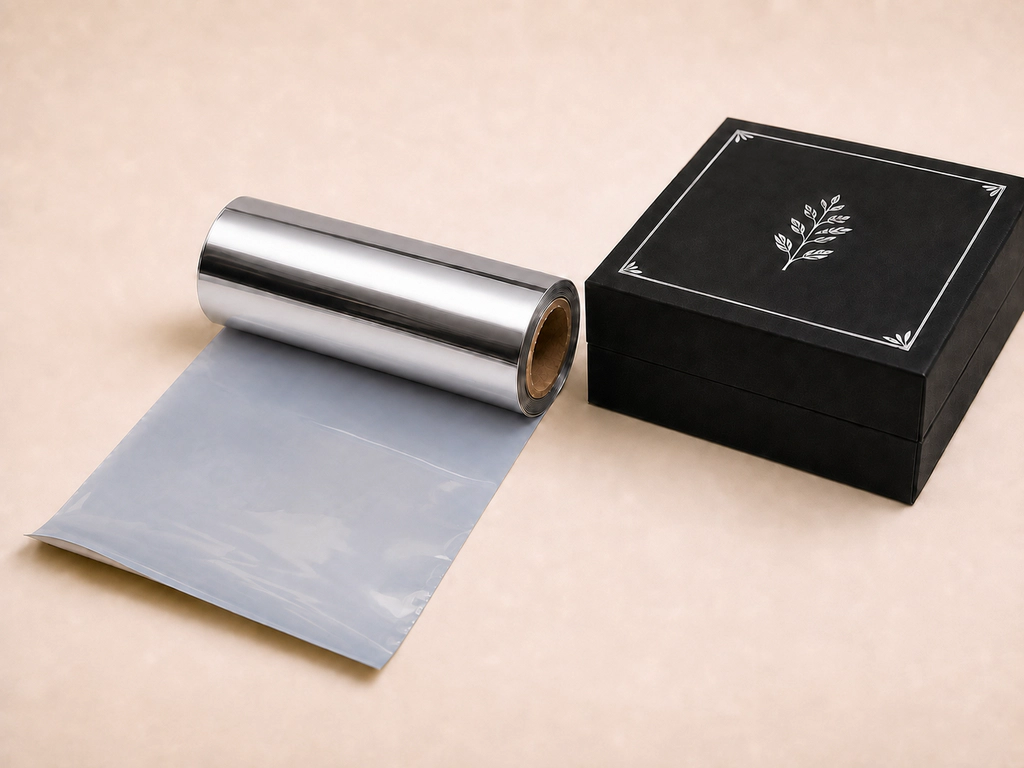
PET label films can provide a smooth and dimensionally stable platform, but topcoat and cure compatibility remain decisive. A PET label may have a printable coating, a clear film surface, a special topcoat or a multi-layer construction. These differences can alter UV adhesive wetting and the later adhesion of overprint inks or varnishes.
For PET, verify the full stack: facestock, topcoat, adhesive, UV lamp type, line speed, foil and overprint. Include a scratch or flex test when the label will be handled heavily, and use the final pack geometry when the label wraps around a curved container.
Cold Foil on PP Labels
There is no universal price for a gold foil project. The finished-pack cost changes with the method, coverage area, die requirement, substrate, run length, press speed, waste allowance, color specification and quality testing. A low-cost foil can become expensive if it causes poor transfer, rework or downtime.
Test at the intended production speed, not only at a slow setup speed. Include tape adhesion after full cure, dry rub, the planned overprint or varnish, and a visual check for clean edges. Where the label is used on a squeezable pack, add a flex test to the acceptance plan.
Cold Foil on Wine Labels
Wine labels can be coated paper, uncoated textured paper or specialty stock. The desired look may include delicate type, metallic borders, a dense logo or a colored metallic effect created by printing over silver cold foil. The main material risks are texture, absorbency, moisture handling and loss of edge quality around fine decorative work.
Test the exact label paper and the intended protective layer. Check fine-line definition, large-solid coverage, wet rub where relevant, bottle-handling scuffing and the look of the finished label under retail lighting. If the design needs deep tactile relief or struggles on highly textured paper, compare whether hot foil is a more appropriate route through LiangyuFoil’s cold foil versus hot foil guide.
Cold Foil on Cosmetic Labels
Cosmetic labels often combine high visual expectations with real chemical and abrasion exposure. Glossy film, soft-touch finishes, perfume, alcohol-containing products, scuffing in packing lines and a protective overprint layer can all affect the finished result. A bright transfer at the press is not enough; the label must still pass the durability checks that match its use.
Cold Foil Label Material Compatibility should be approved from a repeatable sample trial, not a generic foil swatch. The supplier needs enough context to assess the label construction, while the converter needs recorded conditions that can be repeated on the production press.
| Send or Record | Why It Is Needed |
|---|---|
| Substrate name and facestock code | Identifies the actual paper, BOPP, PET, PP or specialty label construction. |
| Coating, topcoat or surface treatment | Defines the surface the UV adhesive must wet and bond to. |
| UV adhesive brand and code | Helps match adhesive chemistry, viscosity and cure behavior. |
| Press type and unit layout | Shows adhesive application, nip, UV position and overprint sequence. |
| Line speed and UV lamp details | Sets the practical cure window for the planned job. |
| Foil coverage area and artwork file | Separates fine detail, borders, halftones and large solid areas for testing. |
| Overprint or varnish plan | Prevents a good transfer from failing in the next finishing step. |
| Required color or effect | Aligns gold, silver, holographic or overprinted metallic expectations. |
| Destination country and end use | Helps identify handling, climate, chemical and documentation expectations. |
| Photos of failed samples | Shows the difference among adhesion, pinholes, edge dirt, stringing and registration issues. |
Frequently Asked Questions
Which label material works best with cold foil?
Smooth coated paper and properly treated or top-coated label films are often good candidates, but compatibility still depends on the exact UV adhesive, cure window, artwork and finishing sequence. Test the final production construction before approval.
Can cold foil work on BOPP labels?
Yes, cold foil can work on BOPP labels when the printable surface is suitably treated or top-coated and the UV adhesive is matched. Check treatment condition, adhesive wetting, cure, tape adhesion and overprint performance on the actual label stock.
Why does cold foil rub off from a PET or PP label?
Possible causes include weak adhesive bonding, low surface energy, treatment loss, incomplete UV cure, unsuitable overprint or insufficient durability testing. Identify the exact facestock and record the adhesive, speed and lamp conditions before changing foil grades.
Do I need a different cold foil for coated paper and film labels?
Possibly. A coating, BOPP, PET and PP surface can behave differently with the same UV adhesive and press setting. A supplier recommendation should be confirmed by testing each final material and effect requirement.
What should I send before requesting cold foil samples?
Send the substrate or material code, coating or treatment details, UV adhesive, press type, line speed, artwork and foil coverage, overprint plan, target effect, expected durability, destination country and photos of any current defect.
How do I verify Cold Foil Label Material Compatibility before bulk production?
Run a controlled trial on the final label construction. Include representative artwork, the planned UV adhesive, intended press speed, cure conditions, overprint or varnish, plus adhesion and durability checks that match the product’s real use.
Request a Cold Foil Label Material Test
Send your label material, surface treatment, UV adhesive, press type, line speed, foil coverage, target effect and photos of any failed transfer. LiangyuFoil can help define a practical sample trial before you confirm a bulk order.