
Specify Hot Stamping Foil Roll Core and Winding Direction
On This Page
Hot stamping foil roll core and winding direction must match the press holder and foil path. Specify core inner diameter, core length, roll outside diameter, slit width and coated-side orientation separately. Confirm unwind rotation from a named viewing end using an approved drawing or working sample. A roll that fits the shaft can still present the wrong face to the substrate.
A roll arrives in the correct shade and width, but the core will not seat on the holder. Another fits, yet the foil reaches the die upside down. Both problems can begin with an incomplete purchase description, before anyone adjusts temperature or pressure.
Key Takeaways
- Core inner diameter is not core outside diameter or finished-roll diameter.
- Coated-side-in/out and clockwise/counterclockwise describe different things.
- Use a signed orientation sketch and an approved trial roll for repeat orders.
Three Specifications That Must Not Be Combined
This guide concerns roll-fed, heated-die hot stamping for packaging and labels. It does not apply a thermal-transfer printer’s ribbon codes to decorative foil. Public supplier specifications and an equipment instruction manual were reviewed on November 11, 2026. The checklists are proposed purchasing controls, not completed LiangyuFoil trials.
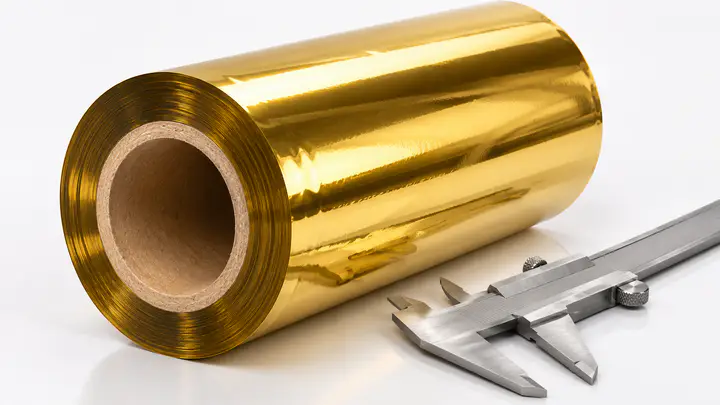
Core dimensions describe mechanical fit. Coating orientation describes which functional face is wound inward or outward. Unwind direction describes rotation from a stated viewpoint. For wider material selection, use the hot stamping foil rolls guide. A complete order needs all three descriptions, not simply a photograph of a gold roll.
Measure the Core and the Finished Roll Separately
Core ID is the bore that receives the approved shaft, chuck or adapter. Core OD includes the wall around that bore. Finished-roll OD includes the wound foil. Core length may differ from slit foil width if the core projects beyond an edge. Record those dimensions separately and use the machine’s permitted fit and loading limits.
Goldleaf’s graphic-foil specification gives nominal one-inch and requested three-inch core options, alongside rounded metric labels. That is one supplier’s offering, not a universal standard or confirmation of LiangyuFoil availability. Ask for the actual specified ID, tolerance and core construction.
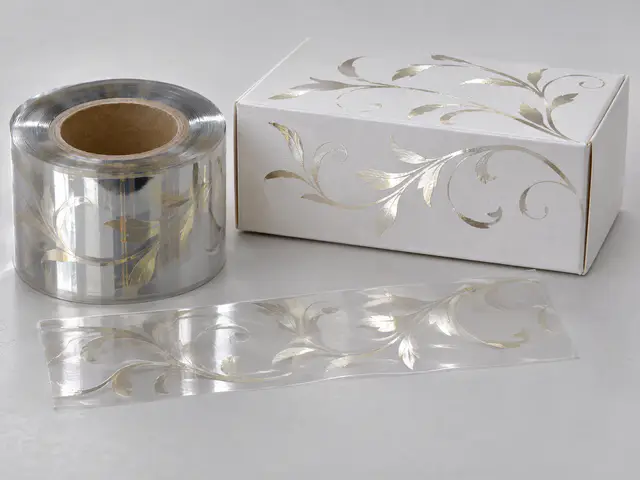
Figure 1. Published rounded core labels versus exact unit conversions. Not a fit or tolerance specification.
| Nominal inch description | Exact inch-to-mm conversion | Supplier's rounded metric label |
|---|---|---|
| 1 inch | 25.4 mm | 25 mm |
| 3 inches | 76.2 mm | 76 mm |
Figure 1. Nominal descriptions are not acceptance dimensions. NIST defines one inch as exactly 25.4 mm; three inches therefore equals 76.2 mm. The rounded supplier labels above do not establish a manufacturing tolerance. Do not assume a core marked 25 mm and one specified as 25.4 mm are interchangeable without checking the holder and agreed drawing.
Also confirm maximum roll OD and mass. A longer roll may exceed the holder’s clearance or loading limit even when the bore fits. Do not force a core onto a shaft, improvise a sleeve or alter the holder without equipment approval.
Coated Side In or Out Is Not an Unwind Arrow
Define the coating before choosing an abbreviation. For this guide, coated-side-in means the transferable coating faces toward the core in the wound roll; coated-side-out means it faces away. Ask the supplier to confirm that its terminology uses the same reference face. Color, gloss and the phrase shiny side are unreliable substitutes across different grades.
At the stamping position, the transferable coating must face the intended substrate and the carrier backs the coating toward the die in the usual heated-die arrangement. The carrier is removed after transfer; the entire PET film is not meant to remain laminated to the pack. Confirm the actual product and machine instructions.
Clockwise changes to counterclockwise when the same shaft is viewed from its opposite end. An order saying clockwise without naming that end is ambiguous. Likewise, over-the-top and under-the-bottom identify the strip’s departure path but do not, by themselves, define the coated face. Mark both on one sketch.
The KF5000 instruction manual, foil installation section, gives a specific rotation and coated-face arrangement for that equipment. Use it as evidence that threading instructions are machine-specific, not as permission to copy its direction onto another press.
Hot Stamping Foil Roll Core and Winding Direction: 7 Checks
1. Identify the Actual Holder
Record machine model, foil station, holder type and any approved adapter. Photograph the empty holder only under the site’s safe isolation procedure. Two stations on the same press may have different mounting or access arrangements. A machine brand alone is insufficient.
2. Record Dimensions With Units
Specify core ID, wall or OD where required, core length, foil width, maximum roll OD and permitted mass. Obtain the relevant tolerances from the equipment and supplier. Separate nominal catalog sizes from the dimensions used to accept delivery.
3. Fix the Viewing End
Label the sketch with a physical reference, such as looking at the roll from the operator-side shaft end. Show that end in a photograph. Do not rely on left or right without the same viewing convention. Keep rotation arrows consistent with the depicted foil travel.
4. Mark the Transferable Face
Show the free-end departure path and label coating and carrier faces. Obtain the foil supplier’s confirmation if either face is uncertain. Do not use an unapproved solvent, scratch or heat test to identify it. Artwork orientation may need separate confirmation for registered or directional effects.
5. Compare a Known Working Sample
Where available, retain a labeled working roll or a mounted-path photograph with its specification. Compare the candidate’s core and orientation against it, not against memory. A previous gold sample does not approve a different foil grade; use the foil grade specification guide for material matching.
6. Inspect Incoming Roll Condition
Check identification, core damage, roll ends, loose or displaced layers and signs of edge contact. Photograph defects before loading. Keep questionable rolls separate pending disposition. Protect part-used rolls and their labels using the foil storage and handling guide.
7. Verify Feeding and Transfer
Have a trained operator follow the machine’s safe setup procedure, then verify stable feed and transfer under approved conditions. Check the finished piece, not just rotation. Retain the confirmed drawing, roll label and test result with the purchase specification. Follow the foil sample approval checklist before bulk release.
When a Roll Fits but Still Will Not Run
| Observation | First checks | Do not assume |
|---|---|---|
| Core will not seat or grip | Specified ID, approved adapter, damage and holder condition. | That more force or packing material is acceptable. |
| No transfer with apparently correct settings | Correct foil grade, coated face, threading and die contact. | That increasing heat will fix orientation. |
| Foil walks sideways or wrinkles | Mounting alignment, guides, roll ends and approved tension setup. | That winding direction is the only possible cause. |
| Layers shift or unwind unevenly | Incoming roll condition, loading, handling and feed history. | That the defect proves a single supplier or press cause. |
These are investigation starting points, not confirmed diagnoses. Do not reroute the web around guards or place hands near a moving die to check it. If the received orientation differs from the drawing, stop and ask the supplier and equipment team for a controlled disposition. Flipping the roll or rewinding it is not automatically an approved remedy.
What to Put on the Order and Roll Label
A hot stamping foil roll core and winding direction brief should contain machine and station identification, foil grade and effect, core dimensions, slit width, roll length, maximum OD and mass, coating orientation, viewing end, departure path and the approved sketch revision. Add quantity, destination, splice requirements and any agreed inspection criteria.
Ask the supplier to return the sketch with its confirmation before converting the order. Use the quote requirements checklist to complete the commercial details. On receipt, match the roll label to that specification and retain traceable lot information for reorders.
No LiangyuFoil dimensional survey or winding trial dataset was supplied. This guide establishes how to communicate and verify the requirement; it does not certify a particular core, adapter, orientation or tension setting for your press.
Frequently Asked Questions
Is a three-inch core better than a one-inch core?
Neither is universally better. Use the core and loading limits approved for the actual holder. A larger core does not automatically improve transfer or make a longer roll suitable.
Can I specify winding direction using only a number?
Only when both parties share the same documented winding chart and revision. Otherwise provide the coated face, viewing end, departure path and a clear sketch.
Can I identify the coating by the shiny face?
Do not rely on appearance alone. Pigment, matte, metallic and specialty constructions differ. Ask the supplier to identify the transferable face on a labeled sample.
Can the supplier rewind a wrongly supplied roll?
Ask for a controlled assessment first. Rewinding can change orientation and handling conditions, and requires suitable equipment and confirmation that the material remains acceptable.
Confirm the Roll Format Before Ordering
Send LiangyuFoil your machine model, holder photographs, dimensional requirements, labeled winding sketch, substrate and foil effect. Include a working sample reference if available. Ask for confirmation of hot stamping foil roll core and winding direction alongside the grade, roll format and sample plan before committing to bulk supply.